2026 to date: books read: nine kilometres ran: a bunch kilometres rode: a bunch more
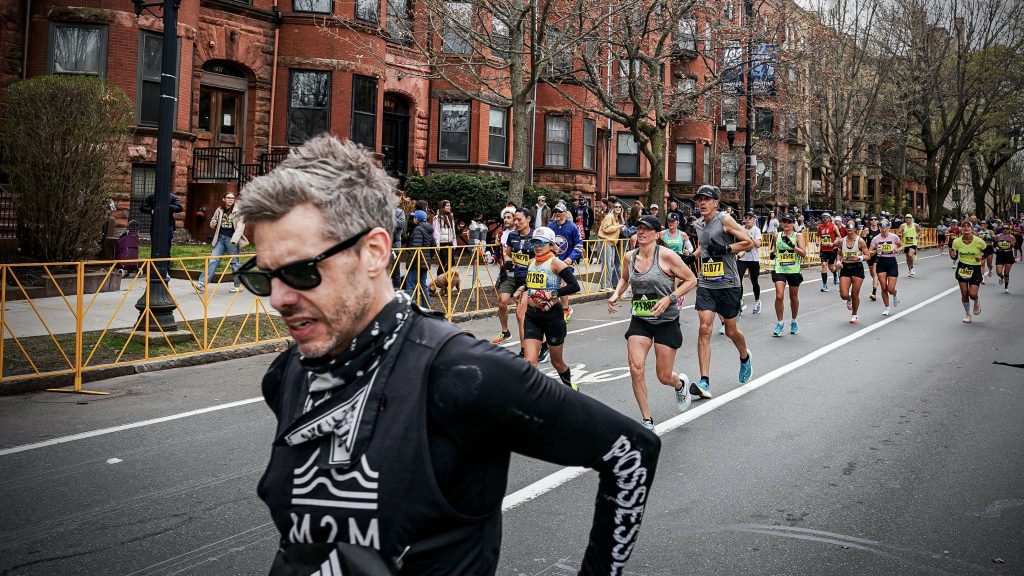
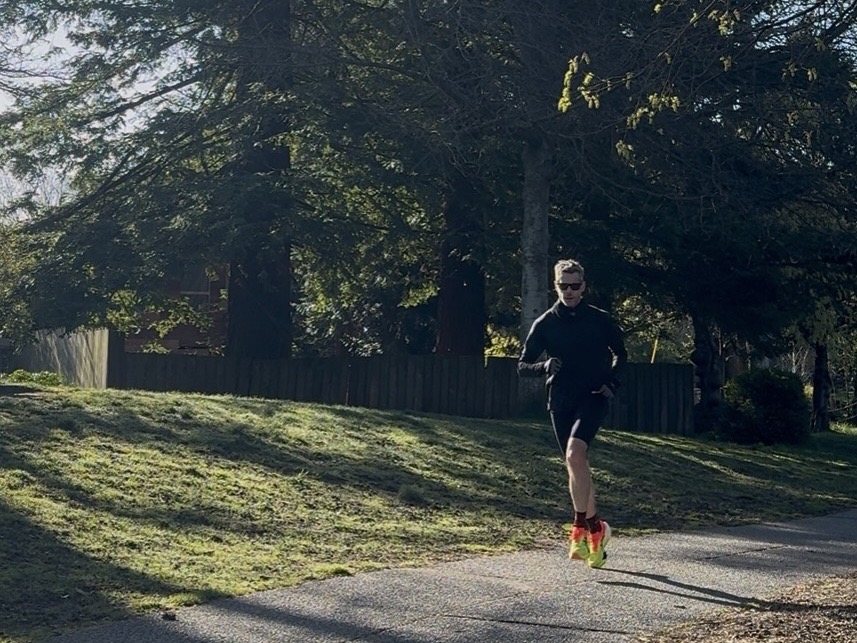
It’s been over a month since I finished the Boston Marathon. It’s long past due time for a postmortem, so here it is. The short answer is, it didn’t go well, but I finished. The longer explanation, now with the benefit of a few dozen days of hindsight, still seems legit, actually. I had a really great training block with nearly 1,200 kilometres of total running, which is right within the vicinity of two of my previous best builds. The difference this time around was the Zwift Ride in my living room that added 1,700 km of cycling to the block. Heading into the taper I felt great. I conservatively pegged my fitness at around 3:12; with my goal to run 3:19 I was riding confidence high. But then about ten days out I got sick. At first I thought it was springtime allergies, but it soon developed into something much worse, and no amount of rest and home remedies could shake it. Just when I thought I was starting to feel better, the Friday travel day to Boston completely sucked the life out of me. So I went to the start line on that Monday morning hoping for a miracle but just wanting to finish with some pride intact. Some plagiarized notes from my Instagram post in the aftermath here. I adjusted my race plan: Go easy for 10 miles then pick it up if I felt okay. But I never felt okay. My breathing was short and shallow as I fought my cough. My heart rate was ten points higher than my normal. I got to 10 miles, lapped my watch and just held on. I look back at my splits through the first 28 km of the race and in spite of the rolling hills I paced like a metronome. One positive. There are full sections that I simply don’t recall at all.
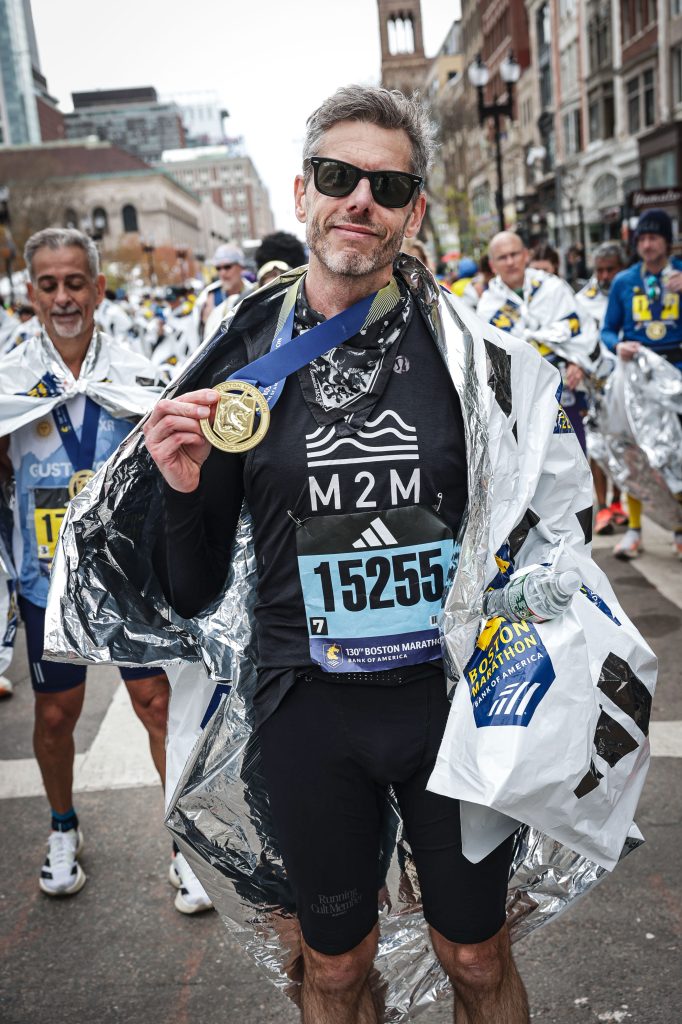
I was a zombie in a singlet. I frequently have a come-to-god moment in the marathon at around 25 km, but somehow this time I even missed that. I remember waking up seeing the 30K marker and wondering how that was possible, and how I was going to make it another 12. But I did. It wasn’t the finish I have envisioned in my mind for weeks, months and years. I crossed the finish with a whimper, collected my medal, found Stephanie, and shuffled back to the hotel. Earlier on here I posted about multiple Boston finishers and how I think that they should get out of the way for first timers. Now I have some cognitive dissonance buzzing in my ear. Because I think I earned a mulligan. I am extremely proud to have earned my spot on that start line. It has been a long, humbling experience to get there, but I earned it. I don’t think I deserve another shot, but I demand one anyway. So I’m going to try again.
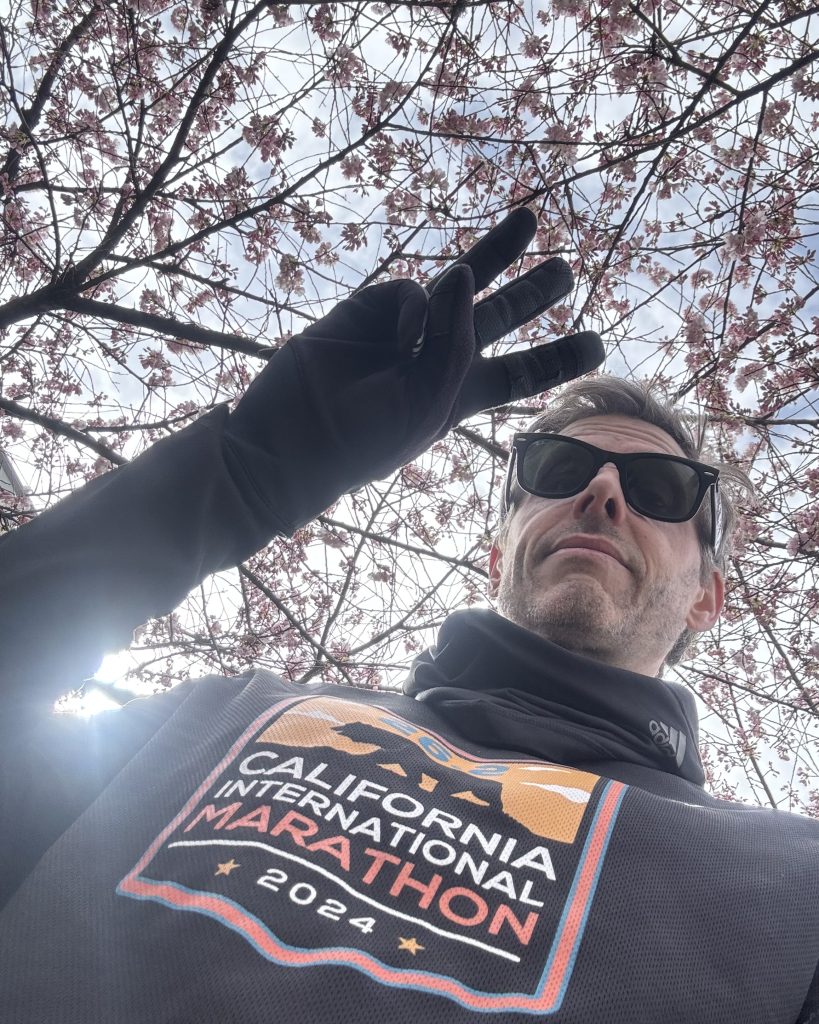
My face says it all.
April was (is) Poetry Month so I took the gift certificate that had been burning a hole in my pocket since Christmas and went up Main Street to Pulp Fiction, and came away with Mercedes Eng’s Cop City Swagger and Playlist by Michael Turner. Eng’s work is a poetic companion to Alex Vitale’s The End of Policing with the Vancouver Police Department and swagger mayor Ken Sim as case study. Turner’s subtitle “a profligacy of your least-expected poems” is apt. Poems are introduced with autobiographical context and left me wishing the book included an equally contextual YouTubeMusic (because I don’t Spotify, though I’m not convinced one is more moral than the other) playlist. But one of the more interesting things I read during Poetry Month was a Forbes article entitled, How Poetry Is Diabolically Being Used In Everyday Prompts To Get AI To Do Things It Isn’t Supposed To Do. I quickly scanned for any reference to Roger Farr — that’s so inside baseball that only Roger and I might get it.
2026 to date: books read: six kilometres ran: 1,072.1 kilometres rode: 1,827.4
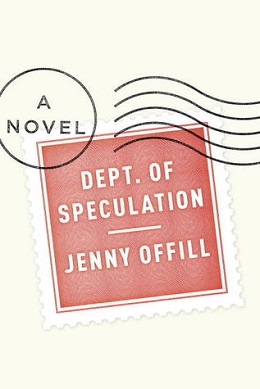
I dropped the ball and I am unhappy with a baseball metaphor (I assume it’s a baseball metaphor) for reading and running (and cycling). So, what then is the appropriate metaphor? I bonked? Perhaps that works better. I bonked my blog and this will be some catch up, so forgive me. My favourite comedian has a book club and I did not expect that but it makes sense since a lot of his comedy hinges on misdirection. This month the club is reading Dept. of Speculation by Jenny Offill, so I read it.
The novel is semi-autobiographical and transitions between first and third-person, and back again. The story is a young couple, have a child, have an affair, attempt to and manage to reconcile, sort of. It’s not a happy novel, but I think it’s quite good. Certainly leans into the experimental realm that I tend to prefer when I have the energy for it. I was surprised that I had the energy for it.
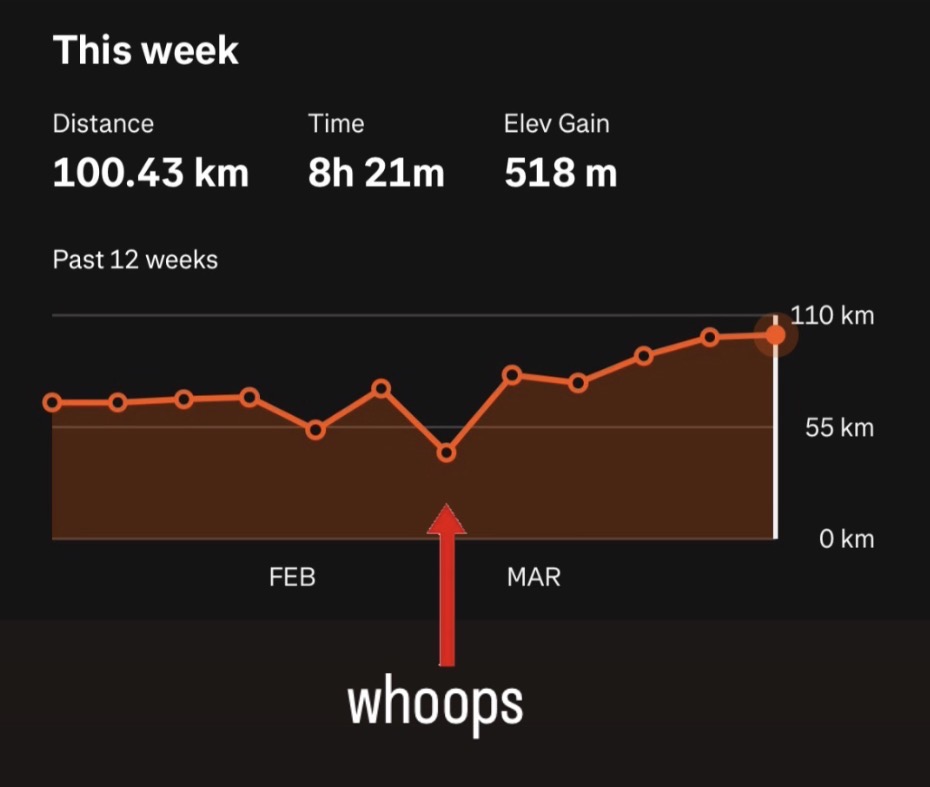
I surpassed 1,000 kilometres ran, year-to-date, on April 4 — the earliest that I ever have (so far?). This capped off a four-week block with an average 95 km ran per week. The only blip in this training cycle came a few weeks ago on Family Day when I put my back out being an old man and then (learning from past mistakes) didn’t panic, but rather took it easy and let it resolve, finishing the week with just 42.5 km total, with one longer workout coming on the Sunday.
I feel good about this build now that I am in the thick of the taper and, save for a time machine, there’s nothing I can do about it anyway. The hay is in the barn, as they say. I checked on my past marathon builds and this one falls within the above average in terms of total volume. All except for that anomaly in the spring of 2019 when I somehow managed to run my (still) third fastest marathon off of a fifteen week build with just 726.2 km of total volume. (For comparison, my first and second fastest saw volume of 1,186 km and 1,163 km respectively.)
This fifteen weeks, in spite of the blip week following Family Day, I’ve accumulated 1,120 km. I feel like I am in a good place. My only concern is these past few days I have been ravaged by allergies like no other springtime in memory, such that I wonder if I might be suffering a cold or on the verge of one. I really need to stay healthy to give myself a chance to beat spring 2019 anomal-me.
And so for the catch up, while I haven’t published anything it’s not as if I haven’t written any notes, a jog through the past few weeks….
three weeks until hopkinton
2026 to date: books read: five kilometres ran: 941.2 kilometres rode: 1,668.3
It feels wrong to write this this way since I had ambitions to do this a bit proper justice but then it didn’t quite happen the way that I had planned. Mostly procrastination on my part. My fifth book read this year is The Savage Noble Death of BabsDionne by Ron Currie and on March 22 I read the following passage (bear with me):
Survey one hundred junkies and ask the first thing they’d do upon deciding for the umpteenth time to kick dope. Five, given health insurance and other resources (e.g., people who still actually gave a shit about them) might go to a proper rehab. Another ten or fifteen would wind up in an emergency room, to be shuttled to an underfunded detox ward on the fifth floor of an underfunded public hospital, where in the company of schizophrenics, drunks, and well-meaning but callous staff they would drool and cry and tremble for a week, after which they’d be given the address of a methadone clinic and wished all good luck. The remaining eighty would sweat their way through five or six hours of sobriety, until the real Horsemen of Withdrawal galloped onto the scene, at which point those eighty would to a person be willing to mug their own mothers for a fix, and get back on the merry-go-round of addict anguish posthaste. None of those surveyed, it almost goes without saying, would kick off their sobriety with a good, long run.
On March 22, I passed 3,000 days since I finished alcohol. I have thought about that a lot over the past eight years and 80-ish days with a couple Leap Years in there somewhere, mostly while out on a good, long run.
I wrote on here eight-or-so years ago after I had just quit drinking and had given myself a bit of time to ensure that it had stuck. Back then, it quickly became my most read piece on here before eventually getting surpassed by my crash and aftermath. Back then, I talked and wrote about quitting drinking and why I chose to but in the time since it’s really become apparent that I didn’t quit; I finished. I think everyone who drinks has a finish line. Some people cross theirs more quickly than others. I don’t think the race course is the same distance for everyone.
Before I understood mindfulness I read a book that forced mindfulness onto me. Someone in my socials linked to the book and I saved a PDF copy for when I was ready and then one day (January 2, 2018) I was and I read the book and before I was finished my drinking time was. The book is called This Naked Mind and it effectively helped me rewire my brain because I was open to the idea and ready for it to happen. I finished drinking. I have no interest whatsoever of starting up that race again. I’ve shared the book a handful of times, and I know a few people who discovered that they were nearly or across their finish line too. There’s a really important part at the beginning of the book, where the writer emphasises that it is vital to read the whole book, resist the temptation to skip to the end. Metaphors for running and life galore.
four weeks till hopkinton
2026 to date: books read: four kilometres ran: 840.8 kilometres rode: 1,566.4
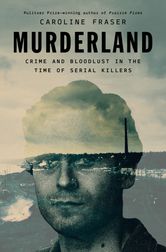
The fourth book I read this year was Murderland. I tend to spend the final few waking minutes before sleep reading and I quickly discovered that this was not the book I wanted to do that with, but I am also stubborn so I neither changed my routine nor shelved the book. Part true-crime, part creative(?) autobiography, part eco-non-fiction, Murderland explores road violence, industrial poisoning and serial killers, mixed with the author’s upbringing within intimate proximity to all three in both location and timeline. Memories emerged of my growing up across the Thompson River from the Weyerhaeuser pulp mill in Kamloops, the smell that permeated my neighbourhood and clung to my father when he came home from work each day. A lifetime removed I often wonder which poison had the greater effect on me, the fundamentalist Christianity or the industrial pollution that might still haunt my internals. I didn’t turn out a serial killer, though.
The book includes a disturbing level of detail that often left me wondering how the author could possibly know that while at the same time nauseated that the author would cause me to wonder in the first place. I spent the latter half of 2025 reading Norwegian noir so it’s not as if I am squeamish; I think it was the non-fiction aspect that left me disturbed. I did find the environmental factor that correlates with the dramatic rise in violent crime an interesting angle worth exploring. Maybe not as a bedtime story.
With four weeks to go I had my first 100 km week of the build — well, 99 km to be exact — and my body has been proving rather resilient. I have all the fancy recovery tools, foam roller, spiky balls, massage sticks, elastic bands, hot packs, cold packs, percussion gun, TENS machines and yoga mats, but the best recovery tool seems to be Zwift. I’ve been maintaining a little over 100 km weeks on the bike to nowhere since it arrived in my living room back in December. I know that gentle movement is one of the best forms of recovery but this is the first time that I have put it into practice, even accidentally. I just like riding bikes…and playing video games. Suddenly, instead of sedentary XBoxing after a hard activity I’m spinning away to nowhere chasing imaginary bicycling upgrades and aesthetically tolerable cycling kits for my skinny, grey-haired avatar. I think I am onto something.
2026 to date: books read: three kilometres ran: 741.5 kilometres rode: 1,449.6
I used to post here weekly and when I decided to resurrect this space I wasn’t sure what my cadence might be, but what I knew was that I wasn’t going to post here weekly. And since then I have posted here weakly.
I finished Perfection and intended to have something written to coincide with 50 days until the Boston Marathon but here we are 35 days away. A colleague once quoted Voltaire at me and I am still not sure they even know who Voltaire is. I replied something along the lines of good enough is rarely synonymous with good.
Perfection is a work in translation that made The New Yorker’s best books of 2025 list, and was shortlisted for the International Booker Prize. But I didn’t know that when I picked up a copy that had climbed my to-read pile I cannot remember how. A couple of expat designers settle into life in Berlin during that heyday (or so it seemed from over here) of Berlin being the cool place to be, and they proceed to experience the same mundane life as they would anywhere else. I remember the early aughts when it seemed like every artist and designer was on their way to Berlin or trying to figure out how to join their friends there. I’d just moved to Vancouver from Kamloops by way of a two-winter purgatory in Winnipeg and everybody was talking about Berlin. While reading Perfection I found a few neurons refire with nostalgia for the little gallery space I helped float on the corner of East Hastings and Princess in those early arrival years. Some of those could have remained burnt out. I have found myself thinking about this book a lot in the time since I finished reading it. I think that its praise is deserved.
There’s a problem with the Boston Marathon and everyone talks about it for a few days or a couple weeks every year right around the end of September when everyone who qualified and applied to run Boston finds out whether or not qualifying is actually enough. Spoiler: it’s often not. I know this intimately. This confuses people who are on the periphery of this stupid little hobby, but to some of us it is serious business. Since not everybody knows how this works here’s my explainer. (If you know then just skip a bit.)
The Boston Marathon is the only race I am aware of that you need to qualify for in order to be allowed to run…other than the Olympics, the Worlds…I guess there are a few but Boston is the only that I shlub like me needs to qualify for. Most races you just give them enough money and they let you run. Some you enter a lottery for the chance to give them money. To be allowed to give the Boston Athletics Association (BAA) money to be allowed to run the Boston Marathon you need to have run a Boston Qualifying time (BQ). Times are adjusted by age and gender. For instance, if you are a 30 year old dude you need to run a marathon in under 2 hours and 55 minutes. Do that, and you have a BQ! Congrats you qualified to run the Boston Marathon! But not so fast (pun intended?) because so did a whole bunch of other weirdos. The BAA takes all the qualifying entries and subtracts time until they get to their number of participants. Every year the number changes because it depends on how fast everybody ran, and how many people applied. For 2026, the cut off time was 4 minutes and 34 seconds, which means the 30 year old dude who ran 2:54:58 actually needed to run faster than 2:50:26.
People keep running faster so every few years the BAA lowers the BQ standard. In 2025 the BQ standard for that 30 year old dude was 3 hours flat, but the cutoff that year was 6 minutes and 21 seconds. I feel that pain because for 2025 I had a BQ “buffer” of 5:59. I missed out going to Boston by 22 seconds. (Which is also why I was certain that I wasn’t going to get in this year either, since my buffer was just 5:05.)
After the 2026 field got released, a shitfluincer (a few did…) went onto Insta and probably TikTok (I don’t TikTok but I do assume) to lament the unfairness of it all since they had run the qualifying time but missed the cutoff and now, the horrors, they wouldn’t be running their fifth Boston Marathon in a row. “I ran the Boston Qualifying time; I should get in! This is so unfair!” But everybody — even you unless you skipped that part — knows that running a BQ doesn’t mean you get into Boston. I do sort of hear their lamentations, and it seems like the BAA does too, because for 2027 they have instituted a time penalty for marathon times earned on a significantly downhill courses. Beginning now, courses with a net-downhill of 1,500 feet or more will incur a “time adjustment” of 5-10 minutes. It’s a start but I don’t think this goes far enough.
My idea will never fly. The BAA loves to shine spotlight on multi-year participants, while I think they should sit out and let some first-timers have a run. My idea is to impose a time adjustment of one minute for every time the applicant has already run Boston. If you’ve already run Boston four times, like our shitfluincer has, that’s a four-minute penalty.
I will run the Boston Marathon in 35 days and then no matter what happens I will get out of the way for someone else. Hopefully they’ll be a first timer too.